November 2, 1636 - Edward Colston
Edward Colston (2 November 1636 – 11 October 1721) was an English merchant, slave trader, philanthropist and Tory Member of Parliament.
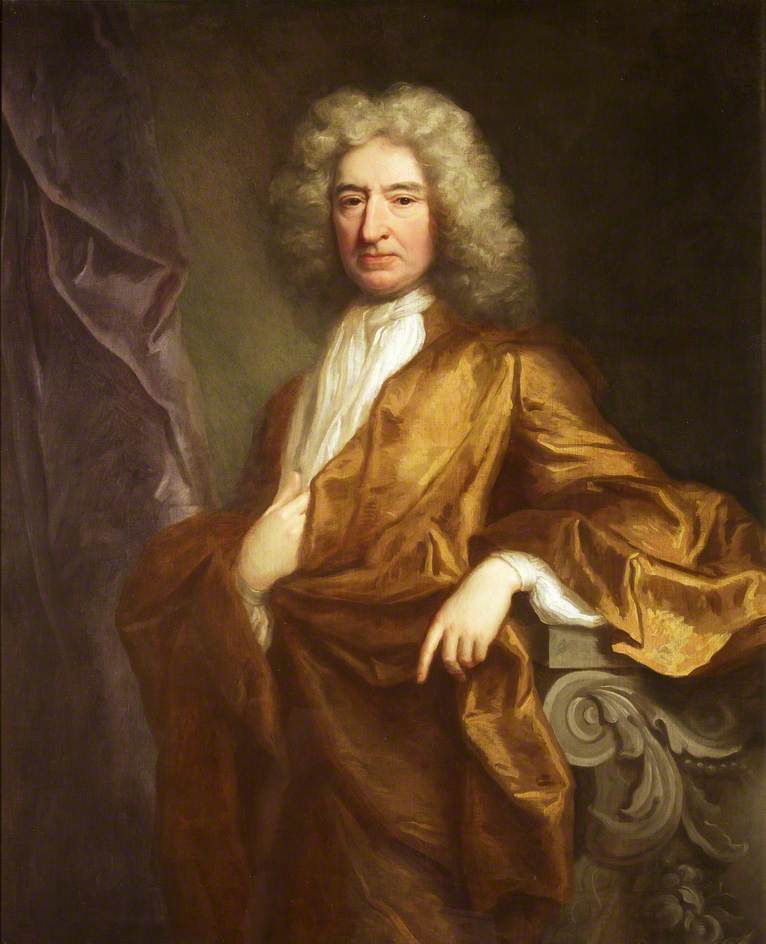
Colston followed his father in the family business becoming a sea merchant, initially trading in wine, fruits and textiles, mainly in Spain, Portugal and other European ports. From 1680 to 1692 he was a member of the Royal African Company, which held a monopoly on the English trade along the west coast of Africa, in slaves, gold, silver and ivory. He was deputy governor of the company from 1689 to 1690, the Governor being the Duke of York, the brother of Charles II of England.
Colston supported and endowed schools and other public institutions in Bristol, London and elsewhere. His name was widely commemorated in Bristol landmarks, and a statue of him was erected in 1895.
With growing awareness and disapproval in the late 20th century of his involvement in Britain's slave trade, there were protests and petitions for landmarks named after him to be renamed, culminating in June 2020, when his statue was toppled and pushed into Bristol Harbour during protests in support of Black Lives Matter. The city's concert venue, Colston Hall, was renamed Bristol Beacon along with several other locations that held his name.
Content sourced from en.wikipedia.org/wiki/Edward Colston under CC BY-SA 4.0.
- Last updated on .